

Differential fluid plays an important role in protecting your vehicle’s drivetrain. It lubricates gears and bearings inside the differential, helping these components operate smoothly while managing heat and friction.
Despite its importance, differential maintenance is easy to overlook because the fluid usually does not need attention as frequently as engine oil. The correct replacement interval depends on your vehicle’s design, driving conditions, and manufacturer maintenance schedule.
Knowing when to replace differential fluid can help reduce gear wear, protect expensive drivetrain components, and keep your vehicle operating as intended.
What Does Differential Fluid Do?
A differential allows the wheels on the same axle to rotate at different speeds when turning. This is necessary because the outside wheel travels farther than the inside wheel during a corner.
Inside the differential, gears transfer engine power to the wheels. These gears operate under substantial loads, making proper lubrication essential.
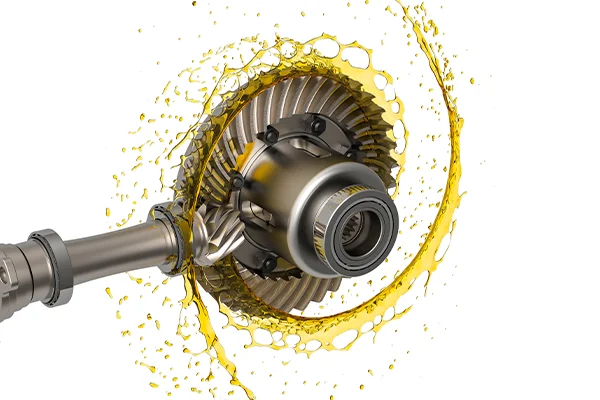
Differential fluid forms a protective film between moving metal surfaces. It also helps carry heat away from components and reduce wear.
Depending on the vehicle, the differential may use a specific gear oil or another manufacturer-approved lubricant. Some differentials, particularly limited-slip designs, require fluid with particular friction characteristics or an approved additive.
Using the wrong fluid can affect lubrication and differential operation. Always confirm the specification for your vehicle before replacing the fluid.
How Often Should Differential Fluid Be Changed?
There is no universal replacement interval for every vehicle.
Some manufacturers specify differential fluid changes at particular mileage intervals, while others call for inspection or service under certain operating conditions. Front differentials, rear differentials, and integrated transaxle arrangements may have different requirements.
The most reliable source is the maintenance schedule for your exact vehicle.
When checking the recommended interval, consider:
- Your vehicle’s year, make, and model
- Whether it has front-wheel drive, rear-wheel drive, all-wheel drive, or four-wheel drive
- The type of differential installed
- The manufacturer’s specified fluid
- The vehicle’s mileage and service history
- Whether you regularly tow, haul heavy loads, or drive off-road
If you frequently tow a trailer, carry heavy cargo, or operate your vehicle in demanding conditions, your manufacturer may specify more frequent service.
When purchasing a used vehicle with incomplete maintenance records, ask a technician to identify the differential type and review the required service. A fluid change may be appropriate if the maintenance history is unknown, but the correct procedure should be confirmed first.
What Are the Signs Your Differential Fluid Needs Attention?
Differential problems can develop gradually. Several symptoms may indicate that the fluid level, fluid condition, or internal components need inspection.
Whining or Howling Noises
A whining or howling noise that changes with vehicle speed may indicate differential gear wear, bearing problems, incorrect fluid level, or another drivetrain issue.
The sound may become more noticeable during acceleration or deceleration. However, similar noises can come from wheel bearings, tires, or transmission components.
Clunking When Accelerating
A clunk when shifting from Drive to Reverse or applying power may come from drivetrain backlash, worn mounts, damaged joints, or differential wear.
Fluid replacement alone will not repair damaged gears or loose mechanical components. A proper inspection can help identify the source.
Fluid Leaks
Oil around the differential housing, axle seals, or pinion seal may indicate a leak. A low fluid level can leave gears and bearings without adequate lubrication.
If you notice fresh oil beneath the differential or around the axle area, arrange an inspection. Severe leakage can cause substantial damage if the vehicle continues operating with insufficient lubricant.
Burning Smells
Excessive heat from a low fluid level, incorrect lubricant, or heavy operating conditions can contribute to a burning odor near drivetrain components.
If you notice a strong burning smell alongside unusual noises or visible leakage, stop driving when it is safe and seek professional advice.
Differential fluid can also look dark as it ages, but color alone cannot reliably establish whether it needs replacement. The manufacturer’s schedule and a technician’s inspection provide better guidance.
What Happens During a Differential Fluid Change?
A typical service involves inspecting the differential housing and seals, removing the old lubricant, checking for abnormal contamination, and refilling the unit with the specified fluid.
Some differentials have drain and fill plugs. Others require different service procedures. A technician may also inspect the fluid for unusual metal particles or other signs of internal wear.
The fluid level must be set correctly according to the manufacturer’s procedure. Overfilling or underfilling can create problems, and certain vehicles require specific temperatures or positioning during the check.
If the differential contains excessive metal debris, has a serious leak, or produces unusual noises, additional diagnosis may be necessary before returning the vehicle to regular use.
Does Every Vehicle Have a Separate Differential?
A rear-wheel-drive vehicle generally has a rear differential, while many front-wheel-drive vehicles incorporate differential functions into the transaxle. All-wheel-drive and four-wheel-drive vehicles may have multiple differentials, along with a transfer case or other drivetrain components that have separate fluid requirements.
This is why a generic maintenance interval can be misleading. A technician should identify every applicable drivetrain component and confirm the correct fluid specification.
Protect Your Drivetrain With Routine Maintenance
Differential fluid is a relatively small part of your vehicle’s maintenance schedule, but it helps protect components that can be expensive to repair.
Following the correct replacement interval, using the specified lubricant, and addressing leaks early can help maintain reliable drivetrain operation.
Differential & Drivetrain Services in the Salt Lake Valley
If you are unsure when your differential fluid was last changed, or your vehicle has developed whining noises, clunking, or signs of a leak, schedule an inspection with the trusted team at Matson Point S in Riverton, Utah. Our technicians have extensive training in providing the utmost quality of drivetrain care and repair no matter the issue you’re facing.
Give us a call or schedule online today to secure your appointment with the premier differential and drivetrain repair facility in the Salt Lake Valley!